
Exterior painting plays a crucial role in protecting your home from the elements, enhancing its appearance, and maintaining its structural integrity. When done correctly, exterior paint acts as a shield, safeguarding the exterior surface from various weather conditions such as rain, snow, heat, and UV radiation. In this article, we will explore the significance of exterior painting in weatherproofing your home, from surface preparation to selecting the right paint and application techniques.
Introduction
Weatherproofing is an essential aspect of home maintenance, especially when it comes to protecting the exterior surfaces. Rainwater, snow, and moisture can cause significant damage, leading to rot, mold, and other structural issues. Exterior painting acts as a barrier, preventing these elements from penetrating the surface and causing harm.
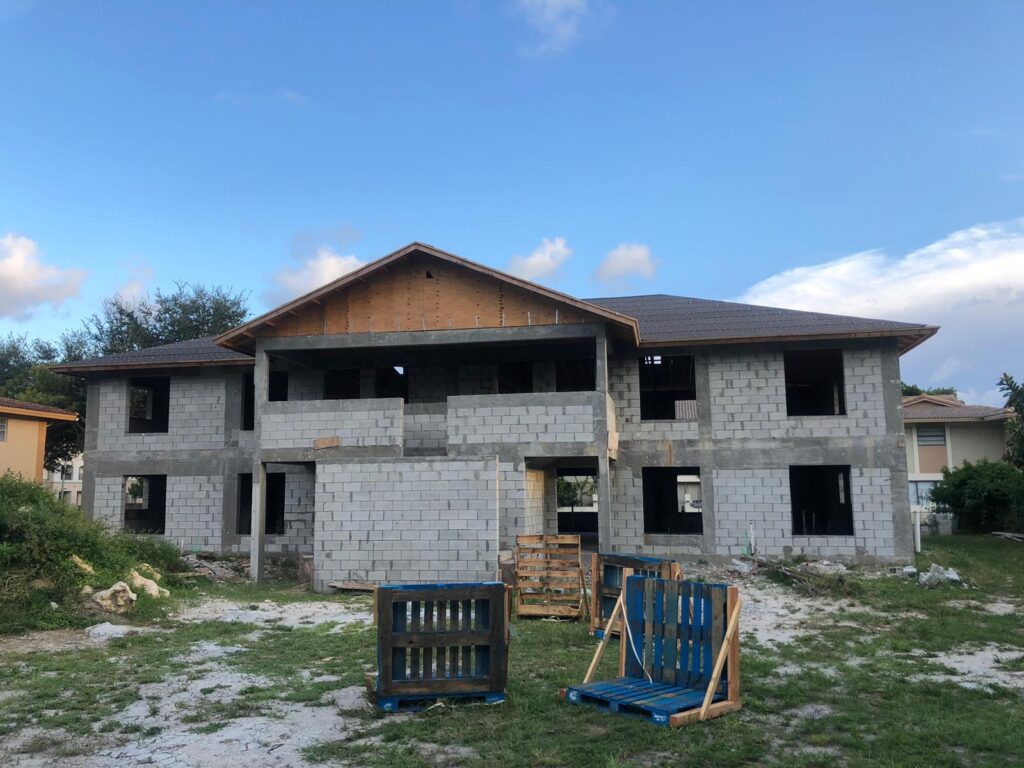
Understanding Exterior Painting
Preparing the exterior surface
Proper surface preparation is key to achieving a long-lasting and weather-resistant paint job. Before applying paint, it is essential to clean the surface thoroughly, removing dirt, debris, and loose paint. Pressure washing, scraping, and sanding are common techniques used to prepare the exterior surface.
Additionally, any cracks, holes, or imperfections should be repaired before painting. This includes fixing damaged siding, filling gaps, and replacing rotted wood. Once the surface is clean and in good condition, applying a suitable primer helps ensure better adhesion and extends the lifespan of the paint.
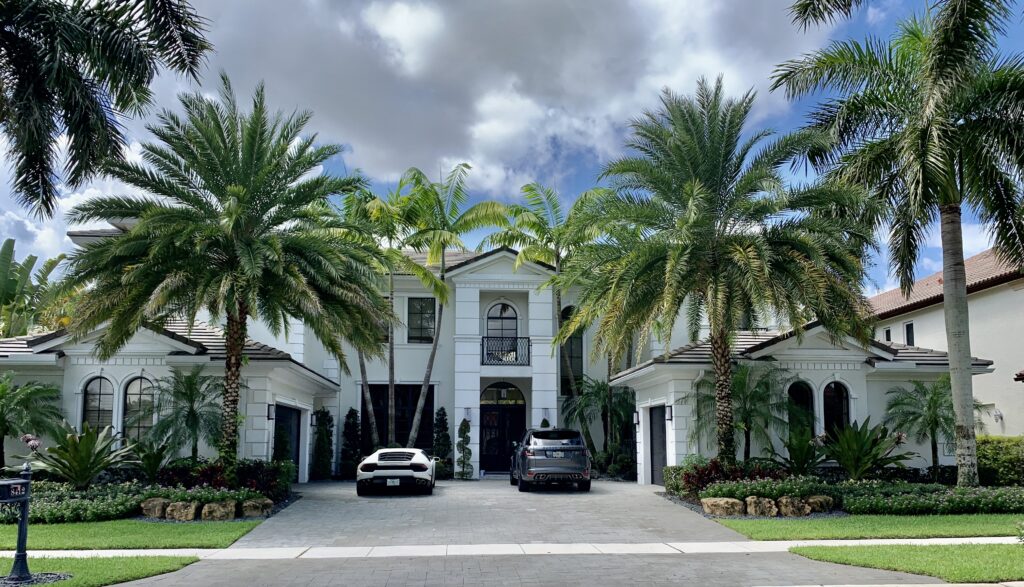
Hire a Professional Exterior Painting Contractor for your Residential Building Needs
Call us at (786) 751-3883
Choosing the right exterior paint
Selecting the appropriate exterior paint is crucial for achieving optimal weatherproofing. There are various types of exterior paint available, including latex, oil-based, and acrylic paints. Each type has its unique properties and advantages.
Considerations when choosing exterior paint include durability, breathability, and resistance to mold and mildew. It is also important to select a paint color that complements the architectural style of your home and the surrounding environment. Additionally, opt for paint with UV resistance to prevent fading and discoloration over time.
Applying exterior paint
When it comes to applying exterior paint, using the right tools and techniques can make a significant difference in the final result. High-quality brushes, rollers, and sprayers are essential for achieving a professional finish.
Before starting the painting process, ensure that the weather conditions are suitable. Avoid painting during extreme temperatures or when there is rain in the forecast. Begin by applying a primer coat, followed by two coats of paint for optimal coverage and protection.
When painting, work in sections, starting from the top and moving downward. This helps prevent drips and ensures a consistent finish. Pay attention to proper drying times between coats, allowing the paint to cure effectively.
Benefits of weatherproofing through exterior painting
Weatherproofing your home through exterior painting offers a range of benefits that go beyond protection. Let’s explore some of these advantages:
-
1. Protection against moisture and water damage:
Exterior paint creates a waterproof barrier, preventing moisture from seeping into the surface and causing rot, mold, or mildew growth. It helps maintain the structural integrity of your home. -
2. Preventing mold and mildew growth:
By sealing the exterior surfaces, paint inhibits the growth of mold and mildew, which can thrive in damp environments. This is particularly important in humid climates or areas prone to heavy rainfall. -
3. Enhancing the lifespan of the exterior:
Regularly maintaining and repainting the exterior surfaces can significantly extend their lifespan. Paint acts as a protective layer, shielding the underlying materials from degradation caused by exposure to the elements. -
4. Improving energy efficiency:
Certain types of exterior paint are designed to reflect sunlight, reducing heat absorption and keeping the interior of your home cooler. This can contribute to energy savings by reducing the need for excessive air conditioning.

Hire a Professional Exterior Painting Contractor for your Residential Building Needs
Call us at (786) 751-3883
Maintaining and refreshing the exterior paint
To ensure the longevity and effectiveness of the weatherproofing provided by exterior paint, regular maintenance is necessary. Perform visual inspections of the paint surface to identify any signs of wear, cracking, or peeling.
Address any issues promptly by performing touch-ups or repainting the affected areas. This helps prevent further damage and ensures that your home remains adequately protected.
Hiring professional painters
While some homeowners may choose to tackle exterior painting as a DIY project, hiring professional painters offers numerous advantages. Experienced painters have the expertise, tools, and knowledge to deliver high-quality results efficiently.
When selecting a painting contractor, consider factors such as their reputation, experience, and the quality of their previous work. Request references and quotes from multiple contractors to ensure you find the most suitable professional for your project.
FREQUENTLY ASKED QUESTIONS(FAQS)
Exterior paint can last anywhere from 5 to 15 years, depending on factors such as the quality of the paint, climate conditions, and maintenance.
Painting during winter is generally not recommended, as low temperatures and high humidity can affect the adhesion and drying of the paint. It is best to paint during milder seasons when the temperature and humidity are within the recommended range for the paint manufacturer.
It is generally recommended to remove loose or flaking paint before applying a new coat. Proper surface preparation ensures better adhesion and a smoother finish. However, if the existing paint is in good condition, a thorough cleaning and priming may be sufficient before applying the new paint.
Signs of exterior paint failure include cracking, peeling, blistering, or fading of the paint. Mold or mildew growth, water stains, or rot on the surface are also indicators that the paint may not be effectively weatherproofing the home.
The frequency of repainting depends on various factors such as climate, quality of paint, and maintenance. As a general guideline, it is recommended to repaint the exterior of your home every 5 to 10 years to ensure adequate protection and maintain its visual appeal.
Conclusion
Exterior painting plays a vital role in weatherproofing your home, providing protection against the elements and enhancing its aesthetics. By understanding the importance of surface preparation, choosing the right paint, and employing proper application techniques, you can ensure long-lasting weather resistance for your home’s exterior.
Regular maintenance, including inspections and touch-ups, will help preserve the integrity of the paint job. And if you prefer to leave the task to professionals, hiring experienced painters will ensure a high-quality and durable finish.
Investing in exterior painting is an investment in the long-term health and beauty of your home, safeguarding it against weather-related damage and maintaining its value.
In conclusion, exterior painting plays a crucial role in weatherproofing your home. It provides a protective barrier against moisture, UV radiation, and other weather elements, safeguarding the integrity of the exterior surfaces. By following proper surface preparation, choosing the right paint, and employing correct application techniques, you can enhance the longevity and durability of your home’s exterior. Regular maintenance, including inspections and timely touch-ups, will help preserve the effectiveness of the paint job. Whether you decide to tackle the project yourself or hire professional painters, investing in exterior painting is a valuable step towards maintaining a beautiful, weather-resistant home.
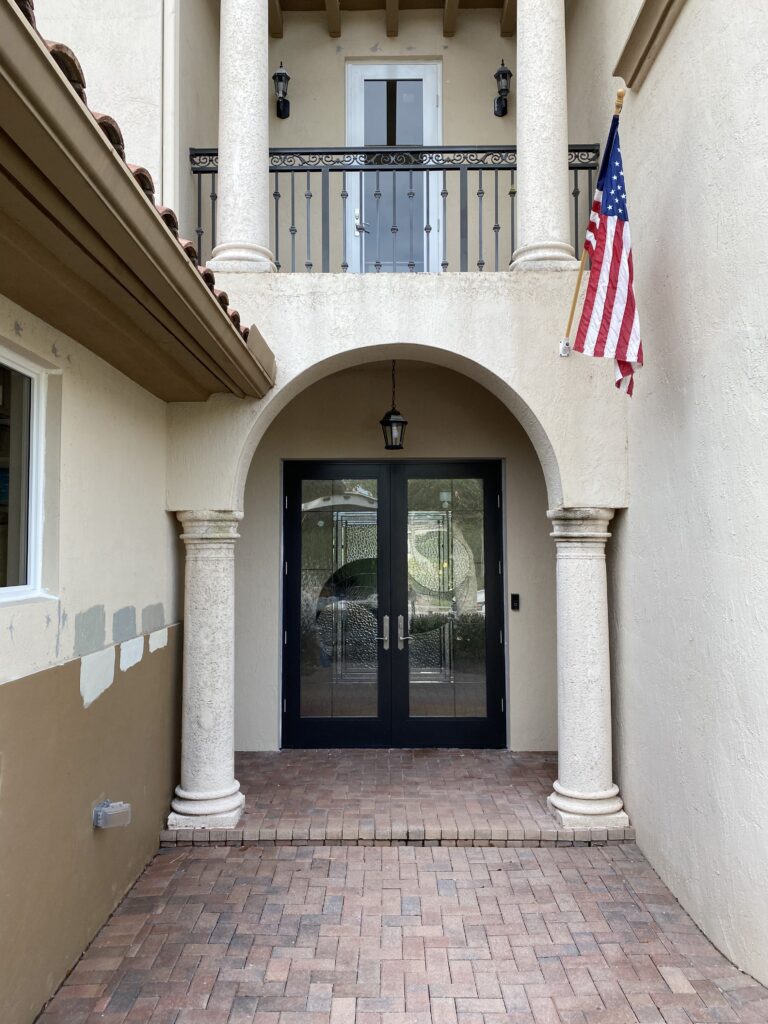
Process to Exterior Painting Contractor for Residential Building
Here are the steps on how to hire an exterior painting contractor for your project:
- Step 1: Consultation and Assessment The initial step is the consultation and assessment phase. We will visit your property, evaluate its condition, discuss your preferences, and assess the scope of the project. We will provide recommendations and a detailed cost estimation.
- Step 2: Preparation and Planning The next step is preparation and planning. We will prepare the surfaces, protect surrounding areas, and sample colors for approval. This stage ensures a smooth and efficient painting process.
- Step 3: Execution and Completion With the preparations in place, we will execute the project, applying the chosen paint colors with precision. We will conduct quality checks, make touch-ups, and ensure client satisfaction through a final inspection.