
Introduction
When it comes to enhancing the aesthetics and value of residential properties, choosing the right exterior paint colors plays a crucial role. The color scheme of your home’s exterior can significantly impact its curb appeal, reflect your personal style, and provide protection against the elements. In this article, we will explore the latest trends in exterior paint colors and provide valuable insights to help you make informed decisions for your home.
Tips for a Successful Exterior Painting Project
To ensure a successful exterior painting project for your apartment, consider the following tips:
- 1. Enhancing Curb Appeal: The exterior paint colors of your home are the first impression visitors and passersby have. By selecting appealing and on-trend colors, you can create a lasting positive impact and increase the overall appeal of your property.
- 2. Reflecting Personal Style: Your home's exterior should be a reflection of your personality and taste. Choosing the right colors allows you to infuse your personal style into the design and create a welcoming and inviting atmosphere.
- 3. Protecting the Exterior: Beyond aesthetics, exterior paint serves as a protective barrier against weather conditions, such as rain, UV rays, and temperature fluctuations. High-quality paint and proper application techniques ensure the longevity and durability of your home's exterior.

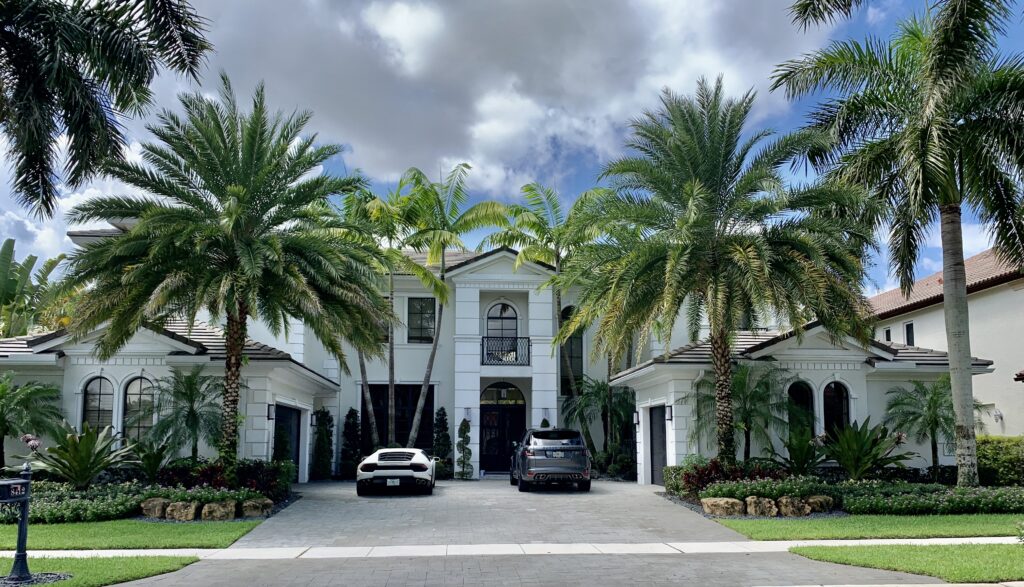
Hire a Professional Exterior Painting Contractor for your Residential Building Needs
Call us at (786) 751-3883
Current Trends in Exterior Paint Colors
- 1. Nature-Inspired Hues: Many homeowners are opting for paint colors inspired by nature, such as soothing blues, greens, and earthy tones. These colors create a harmonious connection with the surrounding environment and promote a sense of tranquility.
- 2. Moody and Dark Colors: Dark exterior paint colors, including deep grays, navy blues, and charcoal blacks, have gained popularity recently. These colors add drama and sophistication to modern architectural designs.
- 3. Earthy and Neutral Tones: Neutral color palettes remain timeless, with shades like beige, taupe, and cream being favored choices. These colors provide a clean and elegant look while allowing flexibility in complementing other elements of the exterior.
- 4. Classic Whites and Grays: Classic white and gray hues continue to be popular choices for exterior paint colors. These timeless shades offer a clean and fresh look while providing a versatile backdrop for other architectural features and landscaping.
Choosing the Right Exterior Paint Colors
- 1. Consider the Architectural Style: The architectural style of your home should be a guiding factor in selecting the appropriate paint colors. Traditional homes often pair well with neutral and classic shades, while modern designs can embrace bold and contemporary colors.
- 2. Harmonize with the Surroundings: Take into account the surrounding environment and landscape when choosing exterior paint colors. Consider the natural elements, such as foliage, trees, and neighboring houses, to ensure a harmonious and visually appealing result.
- 3. Complementing Roof and Trim Colors: Coordinate the color palette of your exterior paint with the roof and trim colors. The paint colors should complement and enhance these elements rather than clash or overpower them.
- 4. Testing Samples and Observing Light: Before committing to a specific paint color, obtain samples and test them on different areas of your home's exterior. Observe how the colors appear under different lighting conditions, as natural and artificial light can significantly impact their appearance.
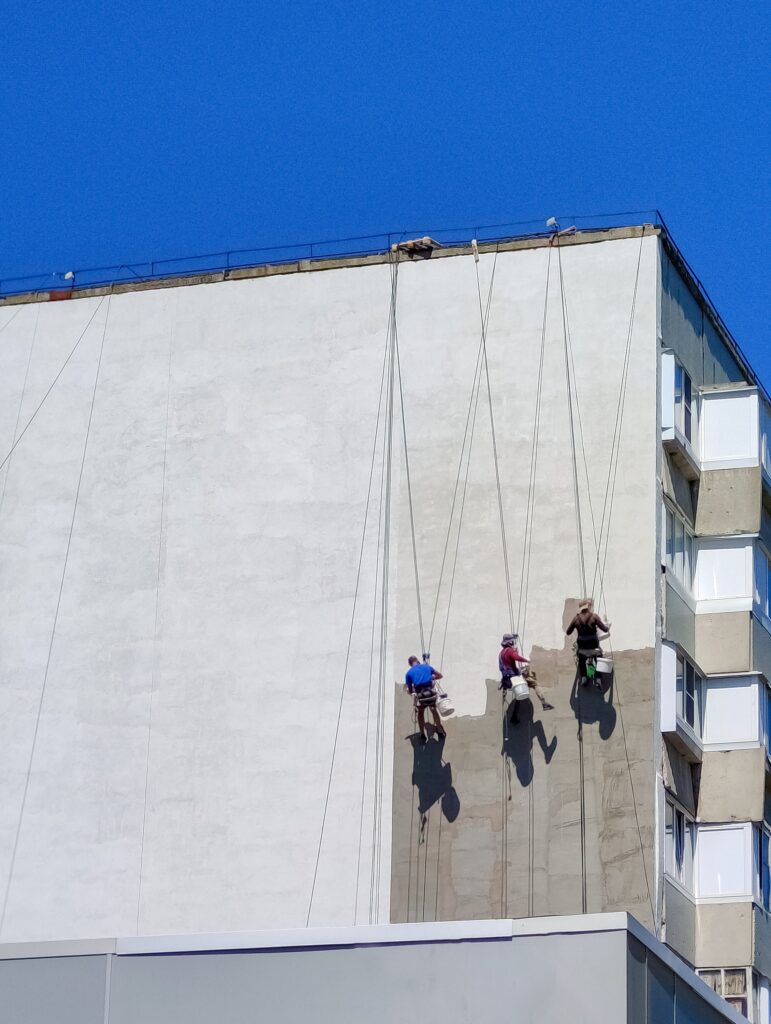
Popular Color Combinations
- 1. Monochromatic Schemes: Monochromatic color schemes involve using different shades and tints of a single color. This approach creates a harmonious and cohesive look while allowing for subtle variations in tone.
- 2. Analogous Color Palettes: Analogous colors are those that sit next to each other on the color wheel. Combining colors like blues and greens or oranges and yellows creates a pleasing and balanced visual effect.
- 3. Complementary Color Schemes: Complementary colors are opposite each other on the color wheel, such as blue and orange or purple and yellow. These contrasting hues create a dynamic and eye-catching look when used together.
- 4. Triadic and Tetradic Harmonies: Triadic color schemes involve using three colors that are evenly spaced on the color wheel, such as red, yellow, and blue. Tetradic harmonies incorporate four colors in a balanced arrangement. These color combinations add vibrancy and visual interest to the exterior of your home.
Tips for Achieving a Successful Exterior Paint Job
- 1. Surface Preparation and Repairs: Properly prepare the surface by cleaning it thoroughly, removing any loose paint, and repairing any damaged areas. This ensures a smooth and long-lasting paint finish.
- 2. Choosing High-Quality Paint: Invest in high-quality exterior paint that is specifically formulated for the unique demands of outdoor applications. Quality paint not only provides better coverage but also offers enhanced durability and resistance to weather conditions.
- 3. Proper Application Techniques: Follow the manufacturer's instructions for application techniques, including using the appropriate brushes, rollers, or sprayers. Apply paint evenly and allow sufficient drying time between coats for optimal results.
- 4. Maintenance and Longevity: Regularly inspect your home's exterior for any signs of wear or fading. Touch up areas as needed and consider periodic repainting to maintain the appearance and protection of your property.

Hire a Professional Exterior Painting Contractor for your Residential Building Needs
Call us at (786) 751-3883
FREQUENTLY ASKED QUESTIONS(FAQS)
A: The frequency of repainting depends on various factors such as the quality of the paint used, climate conditions, and the overall condition of the existing paint. On average, exterior paint jobs last between 5 to 10 years. However, it is recommended to inspect your home’s exterior regularly and touch up any areas that show signs of wear or fading.
A: While it’s important to consider the overall aesthetic of your neighborhood, you have the freedom to choose a color that reflects your personal style. However, it’s a good idea to select a color that complements the surrounding houses to maintain visual harmony.
A: Lighter paint colors, such as pastels and whites, can create the illusion of space and make a small house appear larger. Additionally, using a monochromatic color scheme and incorporating vertical stripes can help visually elongate the structure.
A: Yes, there are eco-friendly paint options available that are low in volatile organic compounds (VOCs) and have minimal environmental impact. Look for paint labeled as “low VOC” or “zero VOC” to make a more sustainable choice.
A: Painting the exterior of your home can be a time-consuming and physically demanding task. While it’s possible to do it yourself, hiring a professional painter ensures a high-quality and efficient job, especially for larger or more complex properties.
Conclusion
Selecting the right exterior paint colors for your residential property can have a significant impact on its overall aesthetics, curb appeal, and personal style. By staying informed about the latest trends and considering factors like architectural style, surroundings, and color combinations, you can create a visually pleasing and inviting exterior that reflects your unique taste. Remember to prioritize surface preparation, choose high-quality paint, and follow proper application techniques for a successful and long-lasting paint job.
Process to Exterior Painting Contractor for Residential Buildings
Here are the steps on how to hire an exterior painting contractor for your project:
- Step 1: Consultation and Assessment The initial step is the consultation and assessment phase. We will visit your property, evaluate its condition, discuss your preferences, and assess the scope of the project. We will provide recommendations and a detailed cost estimation.
- Step 2: Preparation and Planning The next step is preparation and planning. We will prepare the surfaces, protect surrounding areas, and sample colors for approval. This stage ensures a smooth and efficient painting process.
- Step 3: Execution and Completion With the preparations in place, we will execute the project, applying the chosen paint colors with precision. We will conduct quality checks, make touch-ups, and ensure client satisfaction through a final inspection.